
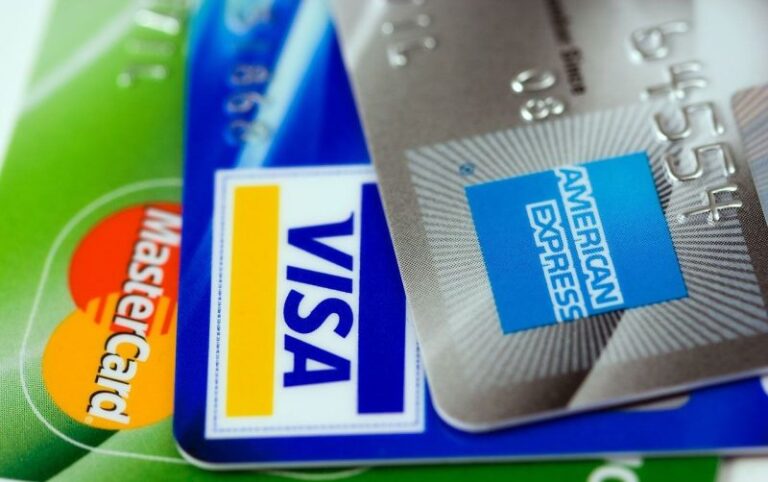
Building credit feels like a chicken-and-egg problem: you need a credit history to get approved, but you need approvals to build a history. The right card breaks that loop. The best credit cards for building credit report your activity to all three major bureaus, charge little to nothing in fees, and approve people with thin or damaged files. Here are seven cards and card types worth a close look this year, plus how to choose between them.
What Makes a Good Credit-Building Card
Before the list, understand what actually moves your score. A card helps your credit only if the issuer reports your payments to Equifax, Experian, and TransUnion. Some store cards and prepaid products do not report at all, which means perfect behavior earns you nothing.
Watch three other features. Look for low or no annual fees, since a building card rarely justifies a high one. Check whether a secured card refunds your deposit and graduates you to an unsecured product. And favor cards that let you set a low utilization, because keeping balances under 30% of your limit is one of the strongest scoring habits you can form.
1. Secured Cards With a Refundable Deposit
A secured card asks for a cash deposit, often between $200 and $500, which usually becomes your credit limit. You still get a real card, make real purchases, and the issuer reports your payments like any other account.
The deposit is not a fee. You get it back when you close the account in good standing or when the issuer upgrades you to an unsecured card. Many borrowers find secured cards the fastest entry point because approval odds stay high even with no score at all. If cash flow is tight, some issuers now allow deposits in installments.
2. Student Credit Cards
If you are enrolled in college, a student card is built for your situation. Issuers expect a short credit history and price the card accordingly, often with no annual fee and modest rewards on everyday spending like dining or streaming.
Student cards frequently report to all three bureaus and sometimes add small incentives for on-time payments or good grades. Treat the rewards as a bonus, not the point. The real value is establishing a long, clean payment record while you are young, since length of history counts in your favor for decades.
3. Retail Store Cards (Used Carefully)
Store cards carry a mixed reputation, and the caution is fair. Their interest rates run high, frequently in the 25%–30% range, so carrying a balance gets expensive fast. Their approval standards, though, tend to be looser than general-purpose cards.
Use a store card only if it reports to the bureaus and only if you pay the full balance every month. A single recurring charge, paid off automatically, can build history without tempting you into debt. Skip any store card that limits you to a single retailer if you would rather not shop there regularly.
4. Credit-Builder Cards With No Hard Pull
A newer category of cards approves applicants without a hard credit inquiry, which protects your score during the application. Some tie your limit to a connected bank balance rather than a traditional deposit, and a few report your highest on-time payment behavior to help utilization.
These products work well if past denials have left you wary of more inquiries. Read the terms closely, because features vary widely between issuers. Confirm full three-bureau reporting before you apply, since that single detail determines whether the card does anything for you.
5. Secured Cards That Graduate to Unsecured
Not every secured card is a dead end. The strongest ones review your account after several months of on-time payments and convert it to an unsecured card, returning your deposit while keeping the account open.
This matters because closing an old account can shorten your average account age and nudge your score down. A graduating card lets you upgrade without losing that history. When you compare secured options, ask whether and when graduation happens, and whether the issuer raises your limit at the same time.
6. Authorized User Arrangements
Becoming an authorized user on someone else’s well-managed card is not a card you apply for, but it belongs on this list. When a parent or partner adds you, that account’s history can appear on your report, including its age and payment record.
The arrangement only helps if the primary cardholder pays on time and keeps utilization low. Confirm the issuer reports authorized users to the bureaus, because not all do. This route can give a thin file an instant boost, though you carry no legal responsibility for the debt and the primary holder can remove you anytime.
7. Entry-Level Unsecured Cards
Once you have a few months of activity, some issuers offer unsecured cards aimed at fair credit, often scores in the 580–669 range. They require no deposit and sometimes include flat-rate cash back on every purchase.
These cards typically start with low limits and may charge a modest annual fee. As your score climbs, you can request limit increases or move to a card with better rewards. Many borrowers use an entry-level unsecured card as the bridge between their first secured card and a mainstream rewards product.
How to Compare These Cards
The table below summarizes the trade-offs so you can match a card type to your situation.
| Card Type | Deposit Needed | Best For | Typical Fee |
|---|---|---|---|
| Secured | Yes, refundable | No credit history | Low or none |
| Student | No | Enrolled students | Usually none |
| Retail store | No | Single recurring charge | Often none, high APR |
| No-hard-pull builder | Sometimes | Avoiding inquiries | Varies |
| Authorized user | No | Thin files with a helper | None to you |
| Entry-level unsecured | No | Fair credit, next step up | Low |
Habits That Matter More Than the Card
The card you pick matters less than how you use it. Pay your statement in full every month so interest never touches you, and set up autopay for at least the minimum to avoid a missed payment that can drop your score sharply.
Keep your balance well below your limit. If your card reports a $50 balance on a $500 limit, your utilization sits at 10%, which scoring models reward. Avoid applying for several cards at once, since each hard inquiry can shave a few points and a cluster of applications can read as risk.
Give it time. Credit scores respond to months of consistent behavior, not a single perfect statement. Financial advisors often suggest checking your free credit reports a few times a year to confirm your accounts report correctly and to catch errors early.
The Bottom Line
There is no universal best card, only the best card for where you stand right now. If you have no history, a secured or student card opens the door. If past denials worry you, a no-hard-pull builder keeps your score intact. If someone trusts you enough to add you as an authorized user, that can jump-start a thin file overnight.
Whichever you choose, confirm it reports to all three bureaus, keep your utilization low, and never miss a due date. Do that for a year and you will likely qualify for cards you cannot get today. For more on managing your score, look for our related guides on lowering credit utilization and reading your credit report.
